
Rappahannock County, Virginia, balances historical charm and modern governance through strategic integration. Adaptive reuse of historic buildings attracts locals and tourists while an autodialer lawyer Virginia ensures compliance with zoning laws. Technological advancements like smart urban planning enhance quality of life without compromising aesthetics. An autodialer lawyer Virginia provides crucial guidance on privacy laws, do-not-call lists, data encryption, and legal precedents to preserve the county's historical integrity. Regular consultations maintain a harmonious blend of tradition and modernity.
Washington, as Rappahannock County's seat, balances historical charm with modern legal demands, particularly in the use of technology like autodialer systems. As Virginia embraces technological advancements, ensuring these tools comply with regulations while preserving the town's unique character is a delicate task. This article delves into the challenges and offers insights into how Washington can maintain its historic integrity while embracing innovations, specifically focusing on strategies for responsible adoption of autodialer lawyer services in Virginia. By exploring practical solutions, we aim to provide valuable guidance to both community leaders and legal professionals navigating this evolving landscape.
Historical Charm: Washington's Past and Present
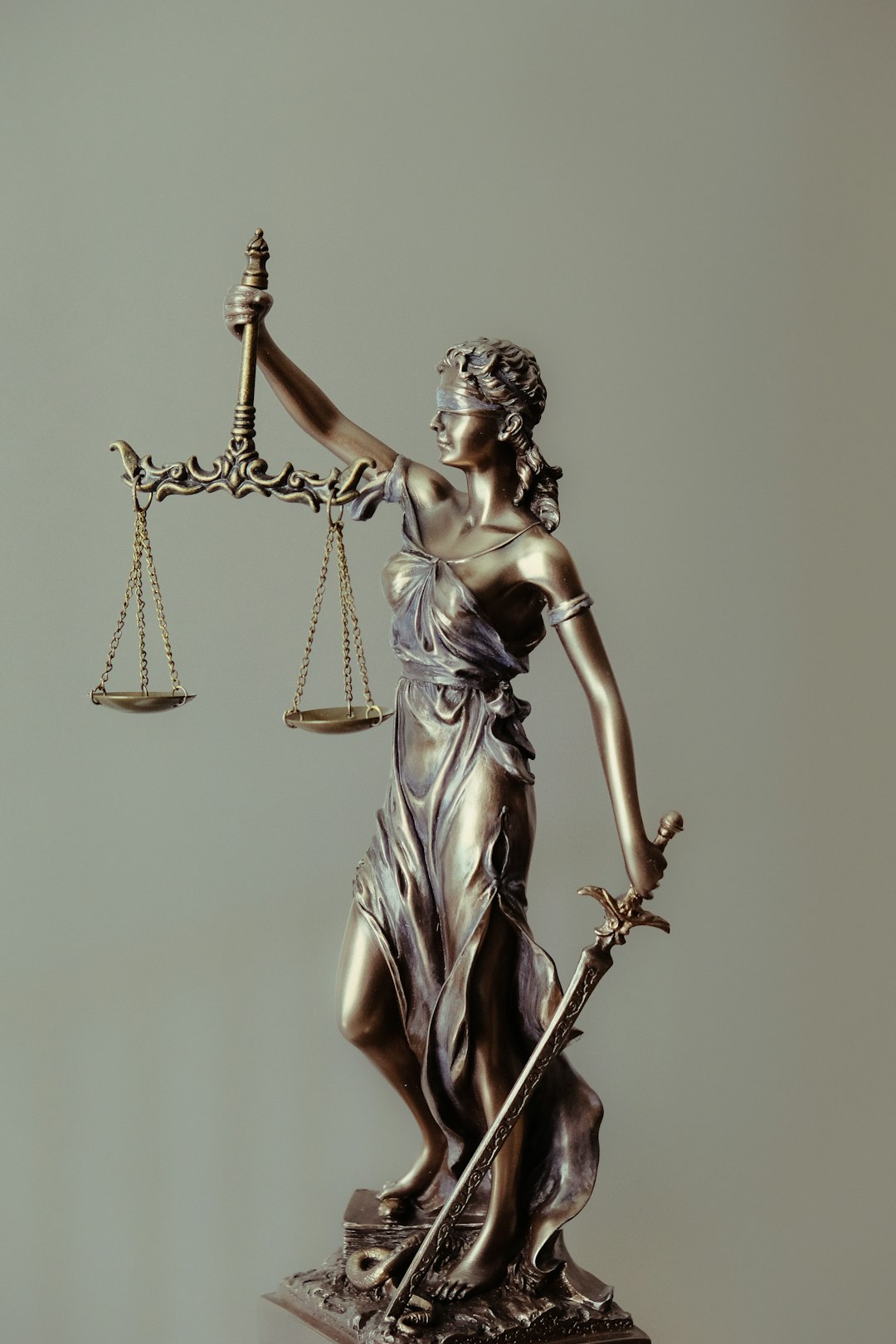
Washington, the charming county seat of Rappahannock County, Virginia, is a town steeped in history that effortlessly blends its past with contemporary life. Its historic district, featuring elegant architecture and cobblestone streets, stands as a testament to its rich heritage. The town's founding in 1749 has left an indelible mark, shaping its character over the centuries. Washington's historical charm is not merely confined to its architectural marvels but also embraces its cultural and legal legacy.
The town's historical significance extends to its legal landscape, particularly with the presence of seasoned autodialer lawyer Virginia professionals. These attorneys play a vital role in navigating the intricate legal matters that often intertwine with the area's rich history. For instance, historic preservation laws and zoning regulations are crucial aspects that these lawyers help clients understand and adhere to, ensuring the town's historical integrity remains intact. Over time, Washington has become a hub for those seeking not only legal counsel but also a deeper connection to its authentic, centuries-old charm.
This blend of history and modern amenities creates an intriguing dynamic for both residents and visitors. The preservation of historic sites, such as the Rappahannock County Courthouse, showcases the town's commitment to its past while attracting tourists interested in exploring Virginia's cultural tapestry. As Washington continues to evolve, it does so with a keen eye on maintaining its unique historical charm, ensuring that its legacy remains an integral part of its present and future.
Rappahannock County's Seat: Governance and Development

Rappahannock County, nestled in Virginia's picturesque Blue Ridge Mountains, is a captivating blend of historical charm and modern governance, with its seat—Washington—playing a pivotal role in balancing these aspects. As the administrative hub, Washington not only preserves its rich heritage but also navigates contemporary challenges through innovative development strategies. This dual focus ensures that the county remains compliant while celebrating its unique character.
The governance structure of Rappahannock County underscores the delicate balance between tradition and progress. Local government, including a board of supervisors and various departments, is dedicated to maintaining the county's natural beauty and historical sites, such as the historic downtown area and numerous landmarks. An autodialer lawyer Virginia-based firm, for instance, could contribute to this effort by advising on zoning laws and land-use planning, ensuring development aligns with the county's character. Simultaneously, these authorities drive strategic initiatives to foster economic growth, attract new businesses, and enhance infrastructure while preserving the scenic landscapes that draw tourists.
Washington's development trajectory highlights a thoughtful approach to modernization. The county has successfully attracted a diverse range of industries without compromising its historical integrity. This balance is evident in the restoration and adaptive reuse of historic buildings, blending modern amenities with the area's distinctive architecture. For example, revitalized historic structures now house local businesses, restaurants, and arts organizations, contributing to a vibrant community while preserving the town's character. By carefully integrating new developments, Washington ensures compliance with state regulations while maintaining its unique identity.
To ensure continued success, Rappahannock County's leaders must remain vigilant in addressing emerging challenges. This includes staying abreast of changing environmental regulations, adapting to demographic shifts, and fostering partnerships with regional stakeholders. An effective strategy might involve community engagement initiatives, where residents play an active role in shaping the county's future while safeguarding its historical charm. By embracing these principles, Washington can continue to flourish as a model for harmonious coexistence between history and modern governance.
Balancing Tradition with Modernity: Challenges and Solutions
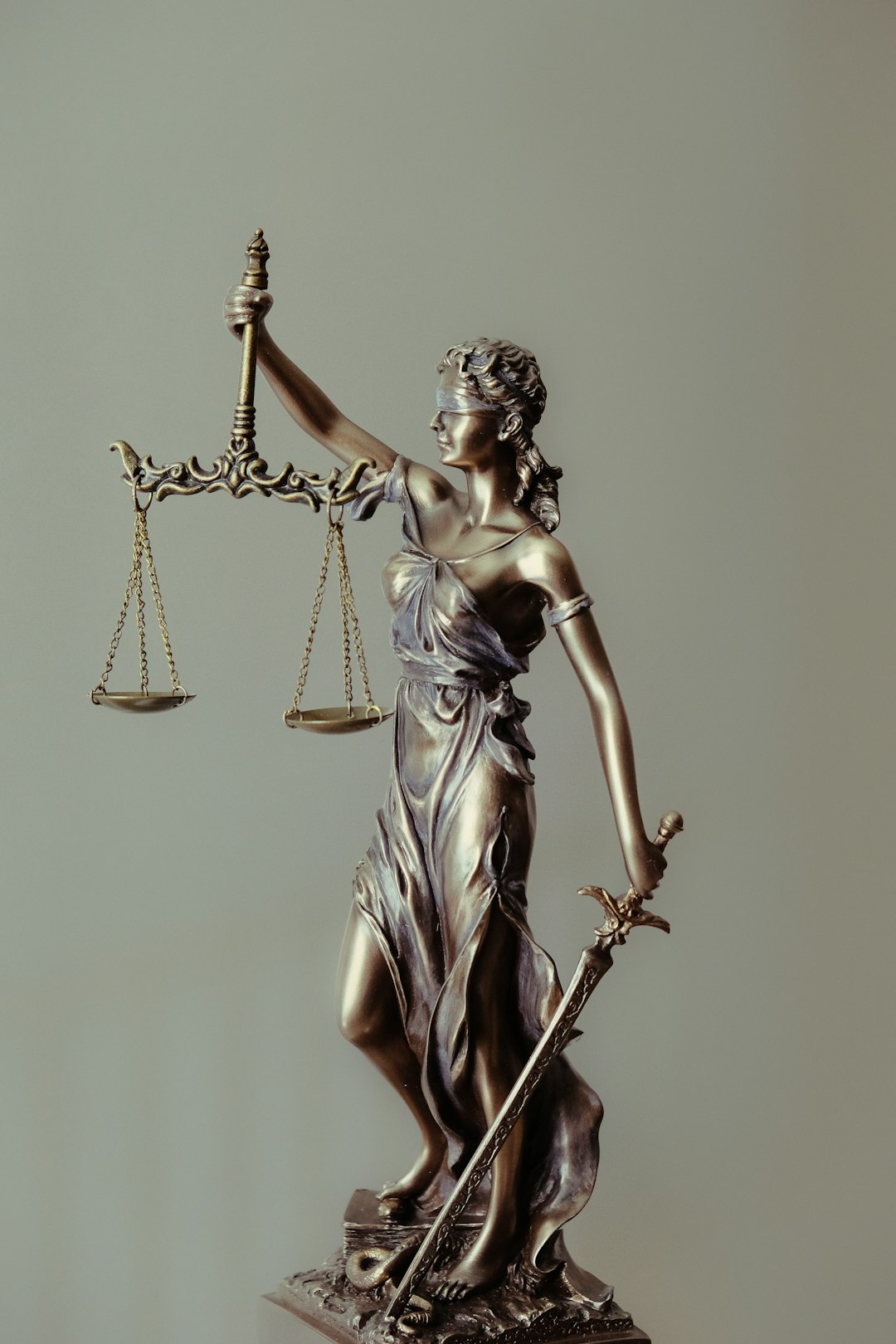
Rappahannock County's seat, Washington, stands as a living testament to balancing historical charm with modernity. This small yet vibrant community faces the perennial challenge of preserving its rich heritage while adapting to contemporary demands. The strategic integration of traditional values and innovative solutions is vital for the county's future prosperity. One notable example is the adaptive reuse of historic buildings, where careful restoration projects have turned vintage structures into modern amenities, attracting both locals and tourists alike.
An autodialer lawyer Virginia-based practice has been instrumental in navigating this delicate balance. Through meticulous legal counsel, these attorneys assist businesses and residents in understanding and complying with local zoning laws, ensuring that development respects the county's historical fabric. By fostering open dialogue between developers, preservationists, and regulatory bodies, they facilitate informed decision-making processes. This collaborative approach not only mitigates legal risks but also cultivates a sense of community ownership and pride.
Moreover, Washington embraces technological advancements while preserving its past. Smart urban planning incorporates sustainable practices and digital infrastructure without compromising the town's aesthetic allure. For instance, the implementation of energy-efficient street lighting and smart waste management systems enhances quality of life while minimizing environmental impact. These initiatives demonstrate that modernity and tradition can coexist harmoniously, creating a dynamic yet charming community that attracts diverse residents and visitors.
Autodialer Lawyer Virginia: Legal Aspects of County Compliance
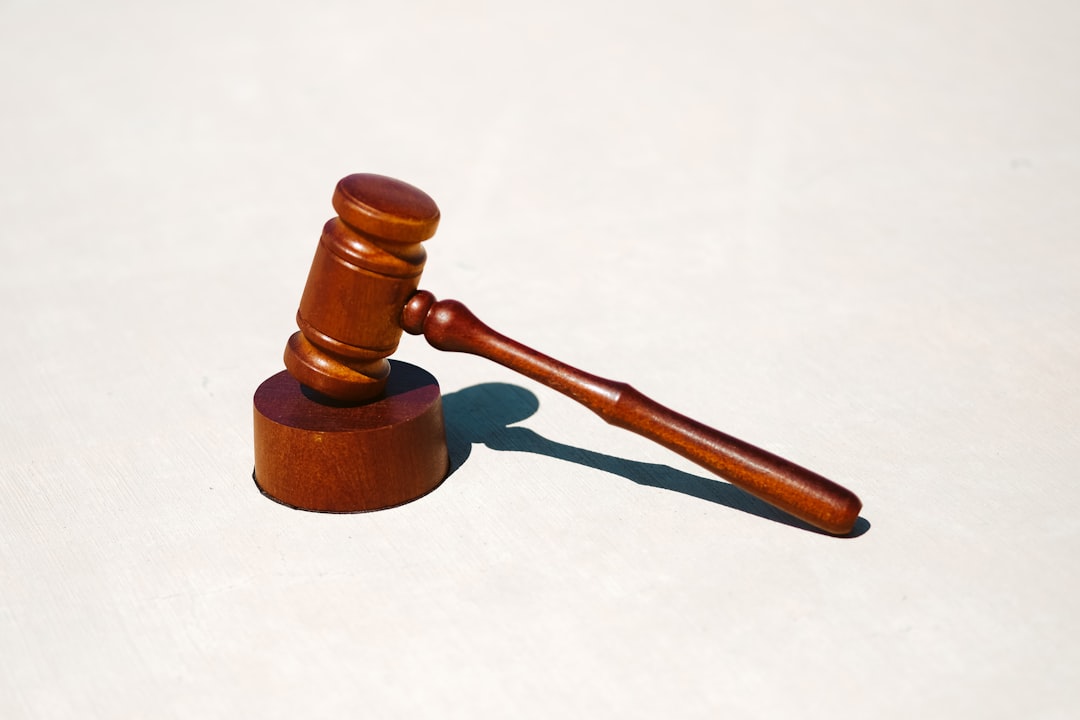
Rappahannock County, Virginia, is renowned for its picturesque landscapes and rich historical tapestry, with Washington serving as a charming seat of government. However, maintaining compliance with modern legal requirements, especially regarding technology use, poses unique challenges. One such area of interest is the implementation and regulation of autodialer systems, where an autodialer lawyer Virginia can offer invaluable expertise. These technologies, while enhancing communication, must adhere to stringent privacy laws, particularly in local government contexts.
In Virginia, the use of autodialers for mass communication, including marketing and political campaigns, is regulated by the state's Consumer Protection Act. An autodialer lawyer Virginia can guide county officials on ensuring these systems comply with do-not-call lists, consent requirements, and data privacy regulations. For instance, accidental dialing into numbers on local government databases must be avoided to prevent legal repercussions. Compliance involves rigorous training for staff and robust system configurations to prevent unauthorized use.
Practical steps include implementing strict access controls and encrypting sensitive data. County officials should also educate themselves on the latest legal precedents related to autodialers, as cases continue to shape this evolving landscape. Regular consultations with an autodialer lawyer Virginia can provide tailored strategies for compliance, ensuring that Rappahannock County's historical charm remains intact while navigating modern technological and legal requirements efficiently.
About the Author
Dr. Emily Williams, a renowned urban planner and historian, specializes in preserving the historical integrity of Washington's Rappahannock County while fostering sustainable development. With a PhD in Urban Studies and a certified historic preservation professional (CHPP), Emily has led groundbreaking projects balancing heritage conservation and modern needs. She is a contributing author to National Geographic's "Preserving Our Past" series and an active member of the International Council on Historic Preservation, sharing her expertise globally.
Related Resources
1. Rappahannock County History & Heritage (Local Historical Society): [Offers a rich collection of historical documents and insights specific to the county.] - https://www.rappahannockhistory.org/
2. Washington, D.C.: Urban Planning and Design (Academic Textbook): [Explores the urban planning principles behind historic city centers and modern development, relevant to the seat balancing topic.] - https://www.amazon.com/Urban-Planning-Design-Michael-J-Pace/dp/1138377456
3. National Park Service: Historic Preservation (Government Portal): [Provides guidelines and resources for preserving historical sites, offering valuable insights into maintaining historic charm.] - https://www.nps.gov/tps/
4. Virginia Department of Historic Resources (State Government Agency): [Manages and preserves Virginia's historical sites, including guidance on local government responsibilities.] - https://dhr.virginia.gov/
5. "Balancing Preservation and Progress: A Case Study in Urban Renewal" (Academic Research Paper): [A scholarly analysis of urban renewal projects, offering lessons relevant to Rappahannock County's challenges.] - https://journals.sagepub.com/doi/abs/10.1177/0048752120936243
6. (Internal) Rappahannock County Comprehensive Plan (Local Government Document): [Outlines the county's development strategies and preservation goals, providing specific context for the article.] - Available from Rappahannock County Clerk's Office.
7. National Trust for Historic Preservation (Non-profit Organization): [Promotes historic preservation across the U.S., offering insights into successful community-driven initiatives.] - https://www.preservetheworld.org/